

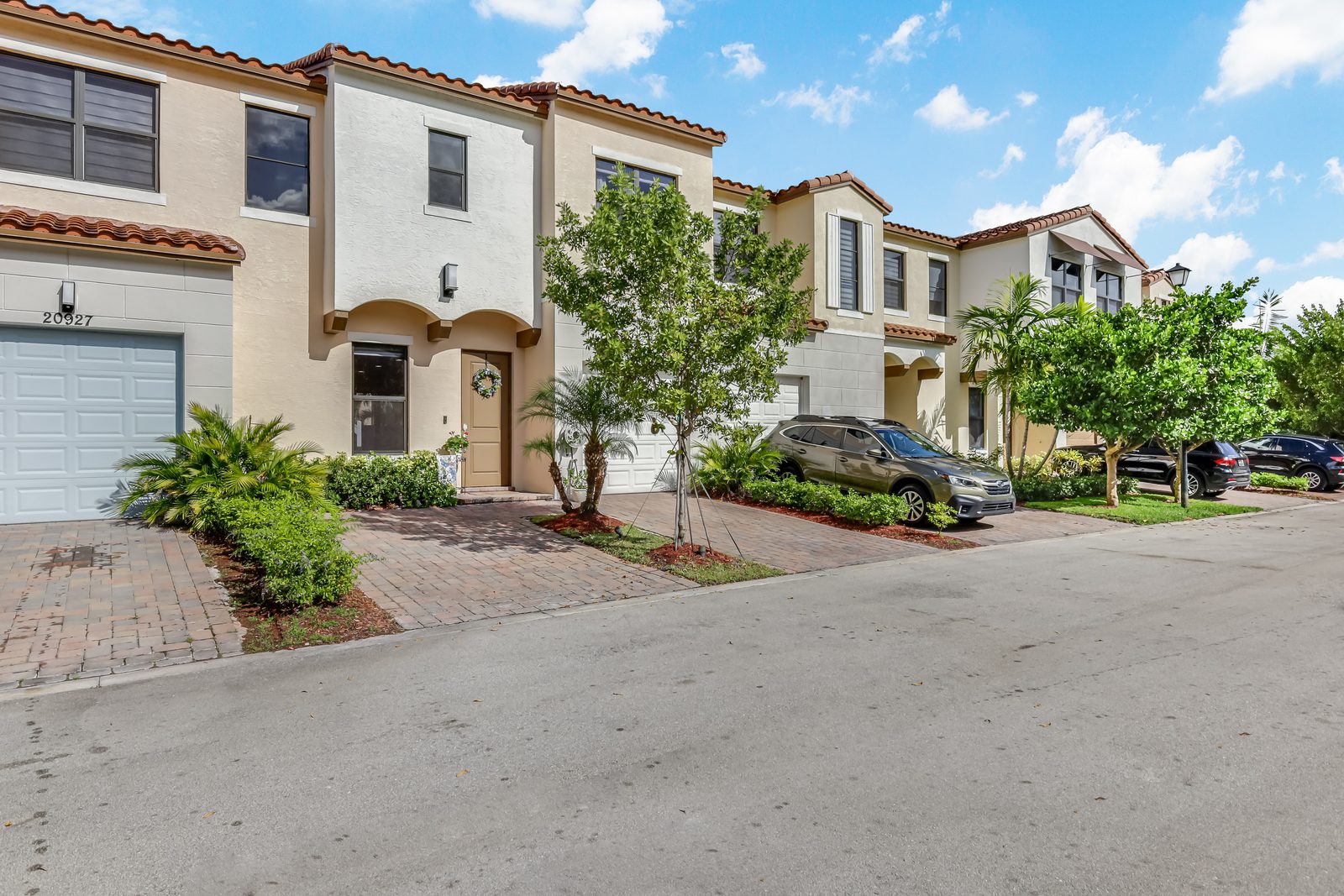
Renting vs. Buying in Pembroke Pines: What the Numbers Say
Should you keep renting or buy? There is no single answer for everyone. What you can do is compare the two with real figures for the home you would actually live in. This guide starts with what the Pembroke Pines market looks like today, then walks through the costs on each side and how to get accurate numbers for your situation.
What the market looks like right now
As of October 4, 2026, the MIAMI MLS showed:
- 827 homes for sale in Pembroke Pines, with a median list price of $275,000 and a median of 50 days on market.
- 385 active rentals, with a median asking rent of $2,375 a month.
Those two medians are not a fair comparison on their own. The homes for sale lean heavily toward condos: 475 of the 827 listings were condos, compared with 243 single-family homes, 99 townhomes and 4 mobile homes. A median that mixes a one-bedroom condo with a four-bedroom house tells you little about either.
The Census Bureau's American Community Survey (2020-2024) adds context. About 70% of occupied homes in Pembroke Pines are owner-occupied, and the median value of owner-occupied homes was $439,500.
Compare like with like: a three-bedroom townhome you rent against three-bedroom townhomes for sale nearby, not against the citywide median.
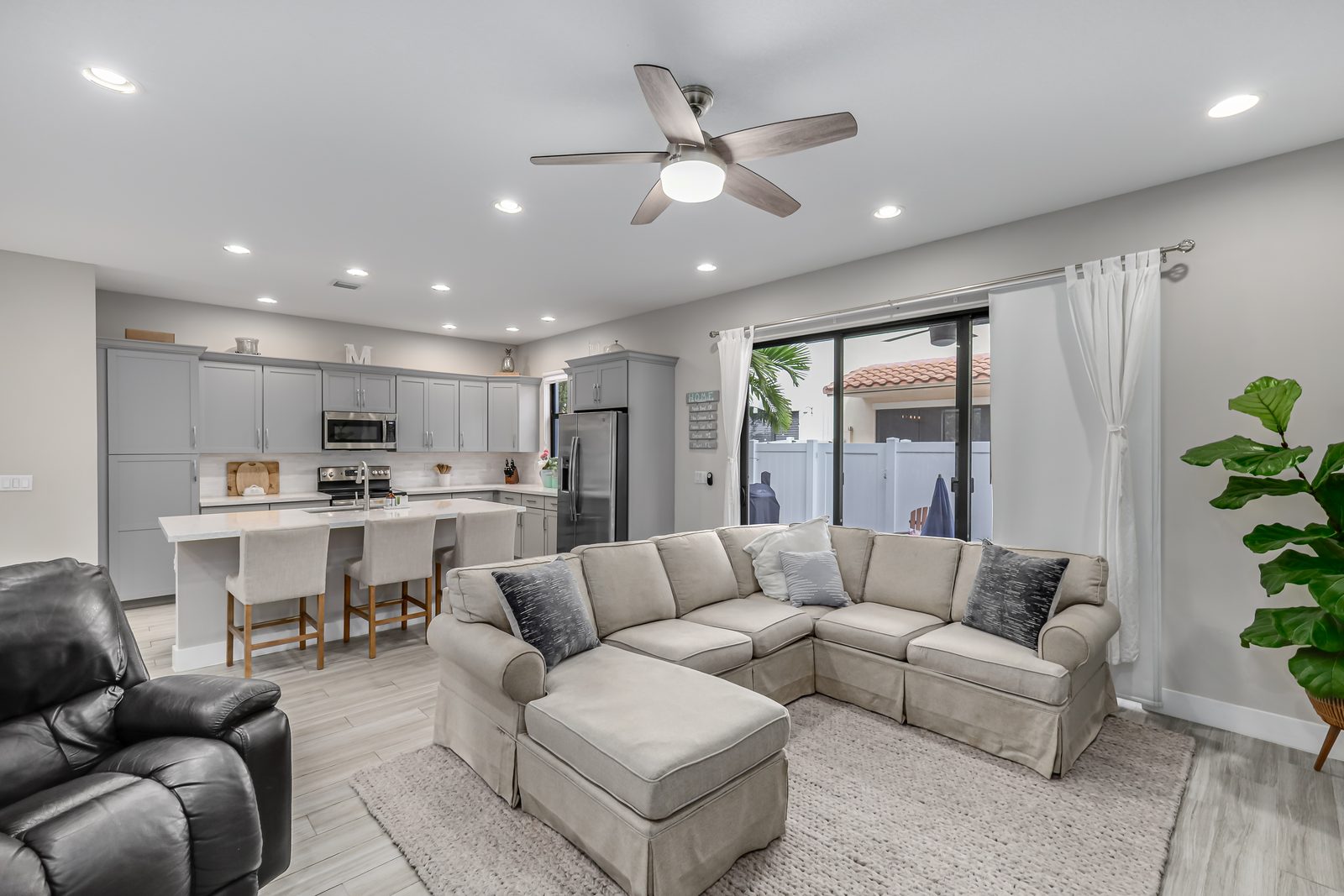
The cost of renting
Renting is simpler to budget. Your main costs are:
- Monthly rent.
- Renter's insurance.
- A security deposit and sometimes first and last month's rent up front.
- Possible rent increases at each renewal.
In return you get flexibility: you can move when the lease ends, the landlord handles major repairs, and no large investment is tied up in the home.
What you give up is control and equity. You cannot renovate freely, your rent can change when the lease renews, and none of your payment builds ownership.
The cost of owning
Owning has more moving parts. A fair monthly comparison includes all of them:
- Principal and interest. Your lender calculates this from the price, your down payment, the loan type and your rate.
- Property taxes. In Florida, taxes are based on the assessed value after you buy, not on the seller's bill. If the home is your primary residence, the homestead exemption lowers the taxable value. Our guide to filing for the Florida homestead exemption explains how.
- Insurance. Homeowners insurance for a house, or an HO-6 policy for a condo, plus flood insurance if your lender requires it or you choose it.
- HOA or condo fees. Many Pembroke Pines communities have them, and they can be a large share of the monthly cost, especially for condos.
- Maintenance and repairs. Roofs, air conditioning and appliances wear out, so set money aside every month.
There are also one-time costs: your down payment, closing costs, inspections and moving.
Part of each mortgage payment goes toward principal, which builds equity. Values can also rise over time, although they can fall too, and no one can promise either.
How to get real numbers
Each of these has a real source:
- Mortgage payment: Get pre-approved. Your lender will give you a Loan Estimate that shows the rate, monthly payment and closing costs.
- Property taxes: Ask your lender or the Broward County Property Appraiser for an estimate based on your purchase price, with homestead applied if you will live there.
- Insurance: Ask an insurance agent to quote the specific property. Roof age, wind mitigation and flood zone drive the price more than the age of the home. Our article on why newer homes are not always cheaper to insure explains why.
- HOA or condo fees: Ask for the association's budget and fee schedule, and ask whether any special assessments are planned.
- Maintenance: Look at the inspection report and the age of the roof and major systems.

A simple way to compare
Once you have the numbers, put them side by side:
- Add up your full monthly cost of owning: payment, taxes, insurance, fees and a maintenance reserve.
- Compare it with the rent for a similar home in a similar location.
- Subtract the principal portion of your payment, since that money becomes equity rather than an expense.
- Add your upfront costs and think about how long it would take for the monthly difference to make up for them.
The fourth step is often the deciding factor. Buying and then selling within a short time means paying closing costs on both ends. The longer you plan to stay, the more time ownership has to make up for those upfront costs.
Questions beyond the numbers
Money is only part of the decision. Ask yourself:
- How long will you stay? A job change, a move out of state or any other change in your plans can shift the math.
- How much flexibility do you need? Renting lets you move on short notice. Owning ties you to the home until you sell or rent it out.
- Do you want control over the home? Owners can renovate, paint and landscape within HOA and city rules. Renters usually cannot.
- Would you rent it out later? If so, check the HOA's rental rules before you buy. Some communities restrict or prohibit leasing.
When each option tends to make sense
Renting may make more sense if you expect to move within a short time, if your savings would be stretched thin by a down payment and closing costs, or if you are new to the area and still learning the neighborhoods.
Buying may make more sense if you plan to stay for several years, have savings for the upfront costs plus reserves, and have found a home whose full monthly cost fits your budget.
Start with the Pembroke Pines neighborhood guide, then use the home search to compare what you rent today with what you could buy. If you are new to the city, our guide to moving to Pembroke Pines covers the rest.
Frequently Asked Questions
Is it cheaper to rent or buy in Pembroke Pines?
It depends on the specific home, your down payment, your loan terms, taxes, insurance and HOA fees, and how long you plan to stay. Compare the full monthly cost of owning a home with the rent for a similar one, using real quotes from a lender and an insurance agent.
What is the median rent in Pembroke Pines?
As of October 4, 2026, there were 385 active rentals in Pembroke Pines on the MIAMI MLS, with a median asking rent of $2,375 a month. Rents vary by home type, size and location.
What is the median home price in Pembroke Pines?
As of October 4, 2026, the median list price of the 827 homes for sale in Pembroke Pines was $275,000 on the MIAMI MLS. Condos made up 475 of those listings, which pulls the median down, so compare listings of the same home type.
What costs do buyers forget when comparing rent to a mortgage?
Property taxes based on the new purchase price, homeowners and flood insurance, HOA or condo fees, special assessments, maintenance and repairs, and closing costs.
How do I get accurate numbers for my situation?
Get pre-approved by a lender for a Loan Estimate, ask an insurance agent to quote the specific property, check property taxes with the Broward County Property Appraiser, and review the HOA budget and fees.
Want to run the numbers on a specific home? Contact Leslie and she will help you compare your options.

Written by The Merino Group. Questions? Call Leslie at (305) 710-1535.