

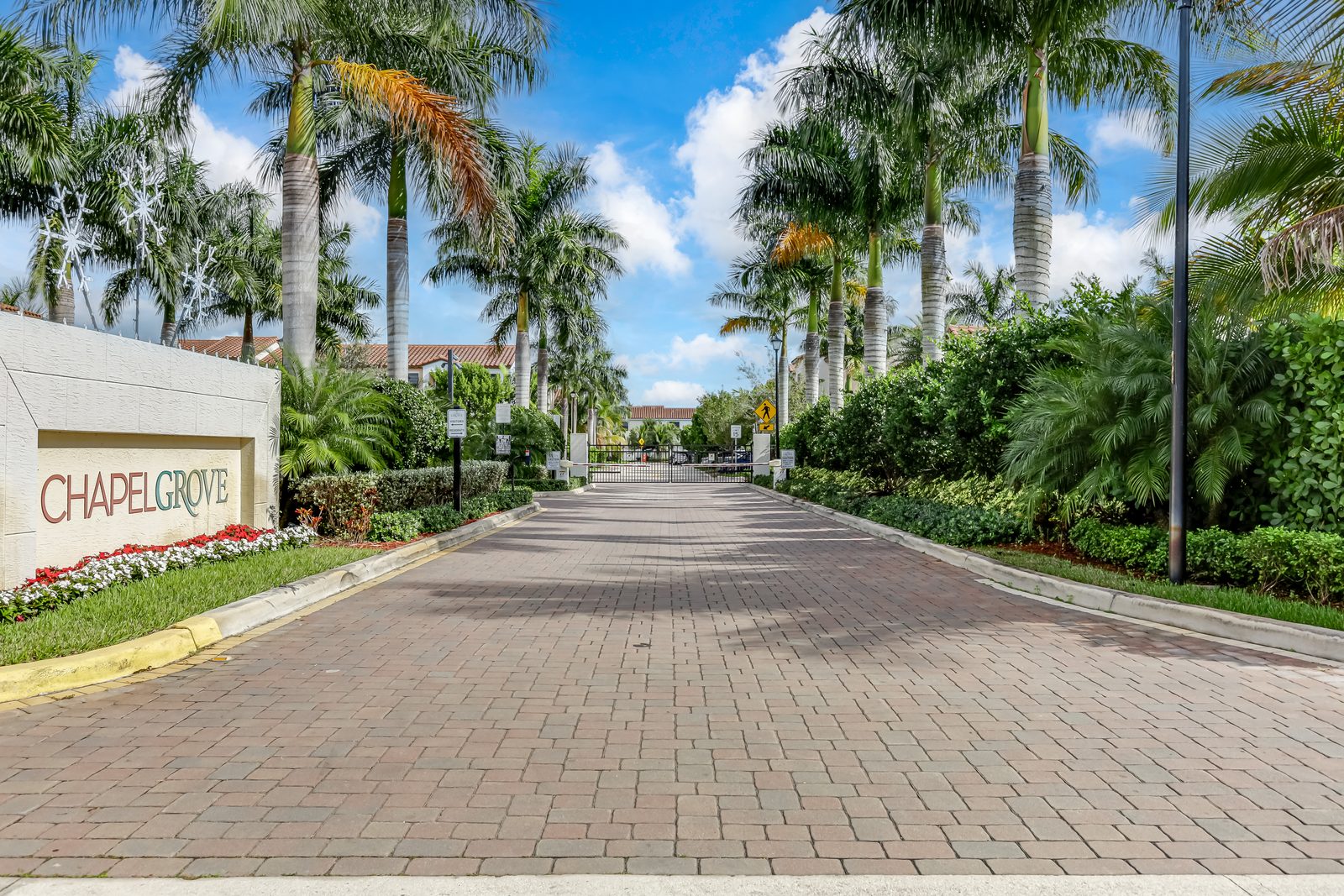
Moving to Pembroke Pines, FL: A Practical Guide
Pembroke Pines is one of the largest cities in Broward County and one of the most popular places to land when you move to South Florida. It offers a wide range of homes, from condos to gated estates, easy highway access and a strong network of parks. This guide covers how the city is laid out, what homes cost right now, how schools work here, and the steps that make a move smoother.
Where Pembroke Pines is and how you get around
Pembroke Pines stretches across southwest Broward County, from older neighborhoods in the east to the edge of the Everglades in the west. Miramar is to the south, Cooper City, Davie and Southwest Ranches are to the north. Pines Boulevard is the main commercial corridor, Florida's Turnpike crosses the eastern half of the city, and I-75 runs along the west.
According to the Census Bureau's American Community Survey, about one in four Pembroke Pines commuters gets to work in under 20 minutes, and about one in ten spends 45 minutes or more. Where you live inside the city makes a real difference, so drive your commute at rush hour before you commit to a neighborhood.

Neighborhood types in Pembroke Pines
Established neighborhoods in the east and center
Many homes here were built from the 1970s through the 1990s, often single-story houses on streets with mature trees. Buyers who want more character for the money, or a home to update, often start here.
Master-planned communities in the south and west
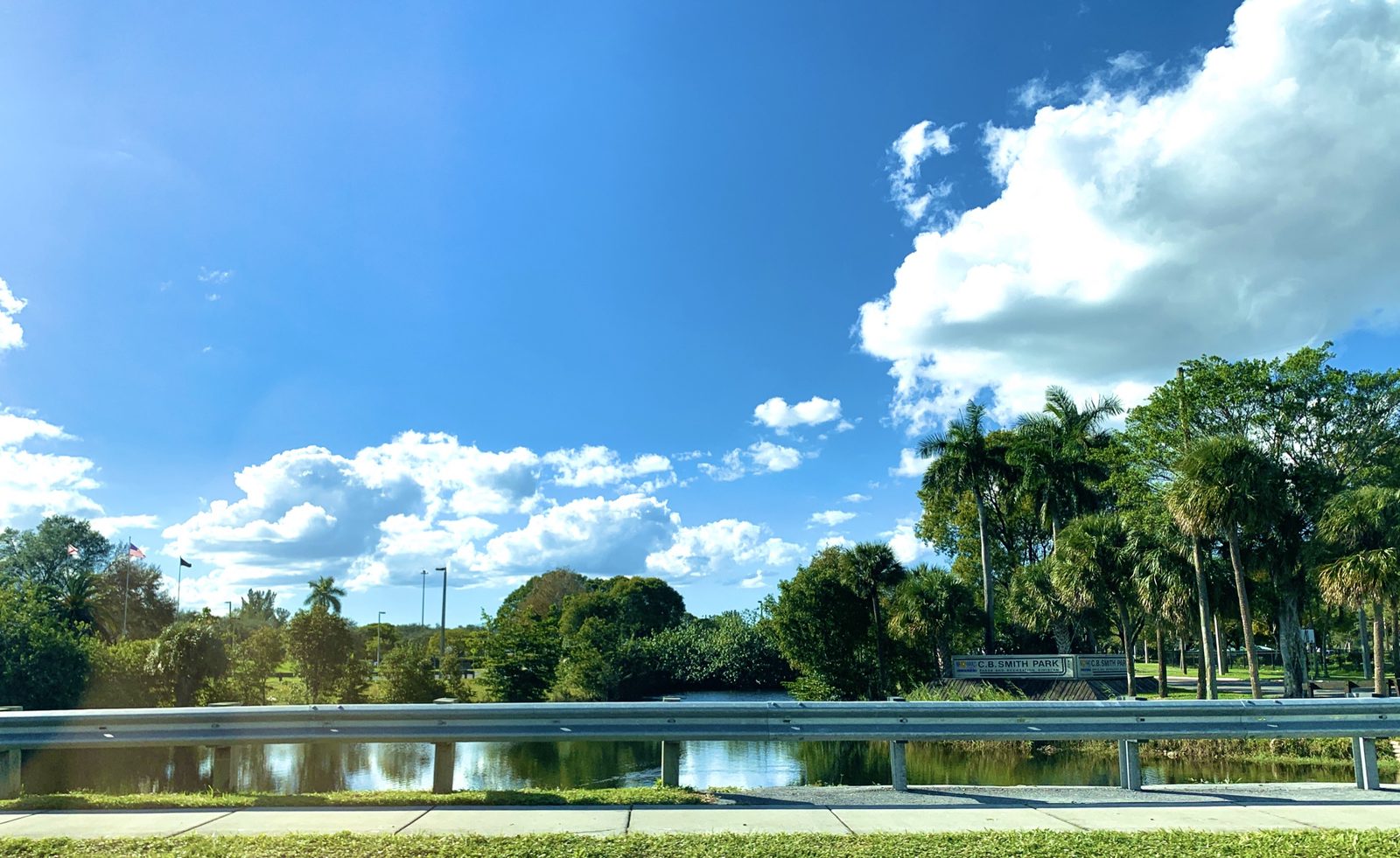
Newer communities with pools, clubhouses, parks and walking paths dominate the western half of the city. Most have homeowners associations that maintain common areas and set rules for exteriors, parking and rentals.
Gated enclaves and larger lots
Closer to I-75 you will find gated neighborhoods with larger lots and custom homes at higher price points.
Condos and townhomes
Pembroke Pines has a large condo and townhome market along its main roads. These are often the most affordable way to buy in the city and a common choice for buyers who want less maintenance.
What homes cost in Pembroke Pines right now
As of November 22, 2026, there were 998 homes and condos for sale in Pembroke Pines on the MIAMI MLS, with a median list price of $274,999. That median is low compared with neighboring cities because condos make up more than half of the listings, about 570 of them, alongside roughly 290 single-family homes and 120 townhomes. The median listing had been on the market for 52 days. There were also about 460 active rentals, with a median asking rent of $2,300 a month.
Because the mix is so condo-heavy, the citywide median says little about what a single-family home costs. Compare homes of the same type, age and community before setting a budget.
Schools and the city's charter system
Pembroke Pines is unusual in that it runs its own charter school system, started in 1998 and now the largest municipally run charter system in Florida. It operates alongside Broward County Public Schools, which serve the city as well. Admission rules and attendance boundaries differ between the two, so check both the city's charter schools and the district for any address you are considering.
Costs to plan for beyond the price
HOA and condo fees. Ask for the association's budget, reserves and any planned special assessments. For condos, review the building's inspection and reserve status as well.
Property taxes. Taxes are based on the purchase price after a sale, not on what the seller paid. If the home will be your primary residence, apply for Florida's homestead exemption with the Broward County Property Appraiser by March 1 of the year after you buy. It can reduce the taxable value by up to $50,000 and caps future increases in assessed value at 3% a year or the rate of inflation, whichever is lower.
Insurance. Roof age, wind mitigation and flood zone matter more than you might expect. A newer home is not automatically cheaper to insure, so get quotes during your inspection period.

Parks and everyday life
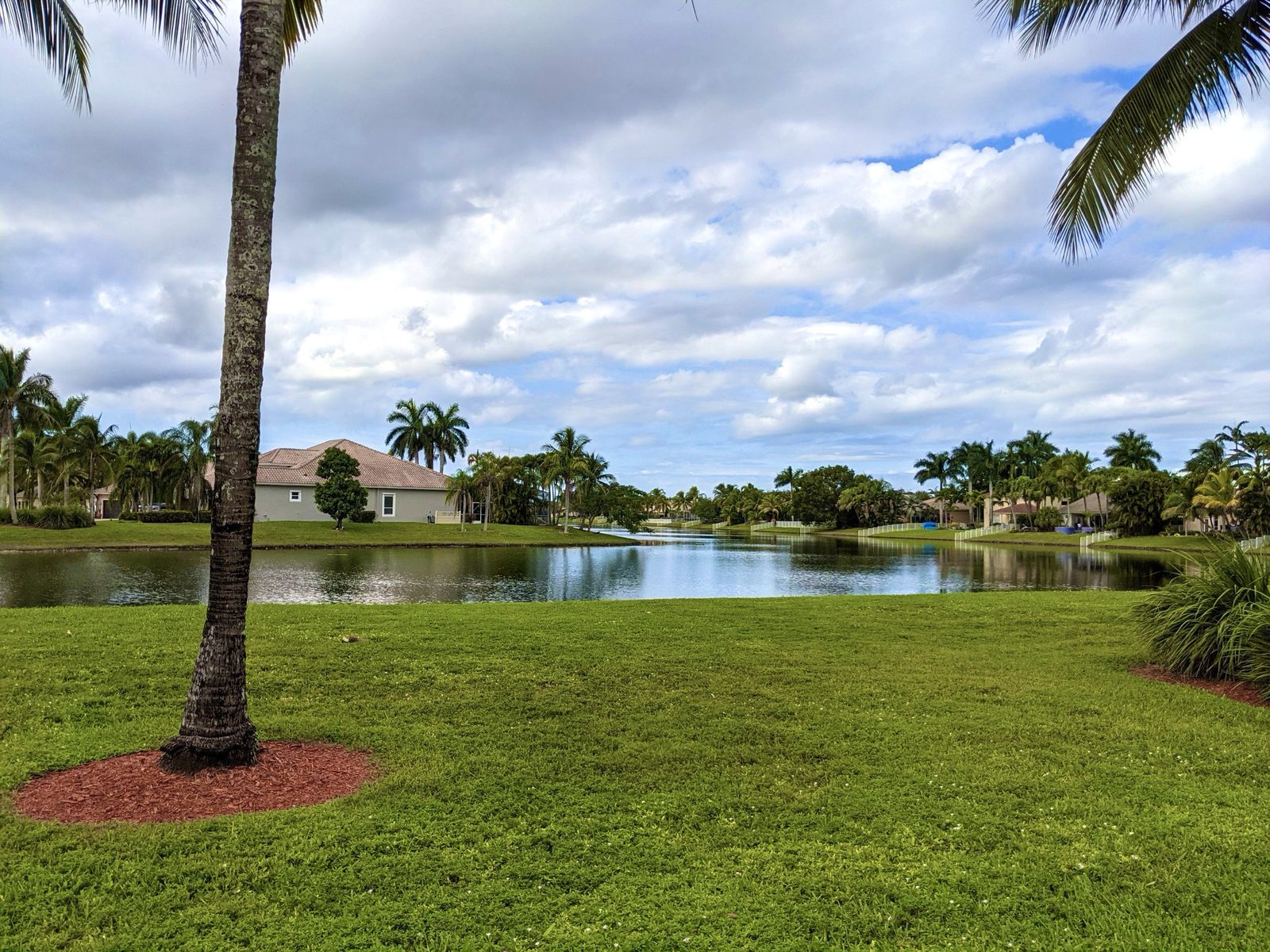
C. B. Smith Park, at Pines Boulevard and Flamingo Road, is one of the busiest parks in the area, with lakes, trails and recreation areas, and the city maintains a large network of neighborhood parks. The Charles F. Dodge City Center hosts events and exhibitions through the year.
Steps to make your move smoother
- Get pre-approved. It sets your budget and strengthens your offer.
- Choose a home type first. Condo, townhome or house changes everything from price to fees to insurance.
- Narrow the area. East, center or west, based on commute, budget and the kind of community you want.
- Review HOA documents early. Rules on rentals, pets and parking can rule a home in or out.
- Quote insurance during inspections.
- Buying from out of town? Video tours and remote closings make it possible; tell Leslie how you would like to handle showings and inspections.
Pembroke Pines is home to The Merino Group's office, and Leslie lived here for 15 years. For neighborhood data, current listings and homes Leslie has sold and leased in the city, see the Pembroke Pines neighborhood guide, or read it en español. Still deciding between nearby cities? Compare our guides to Miramar and Weston.
Frequently asked questions
How much do homes cost in Pembroke Pines?
Does Pembroke Pines have its own schools?
What are the main neighborhood types in Pembroke Pines?
How long is the commute from Pembroke Pines to Miami or Fort Lauderdale?
When should I apply for the homestead exemption?

Written by The Merino Group. Questions? Call Leslie at (305) 710-1535.