

Moving to Southwest Ranches, FL: What to Know Before You Buy
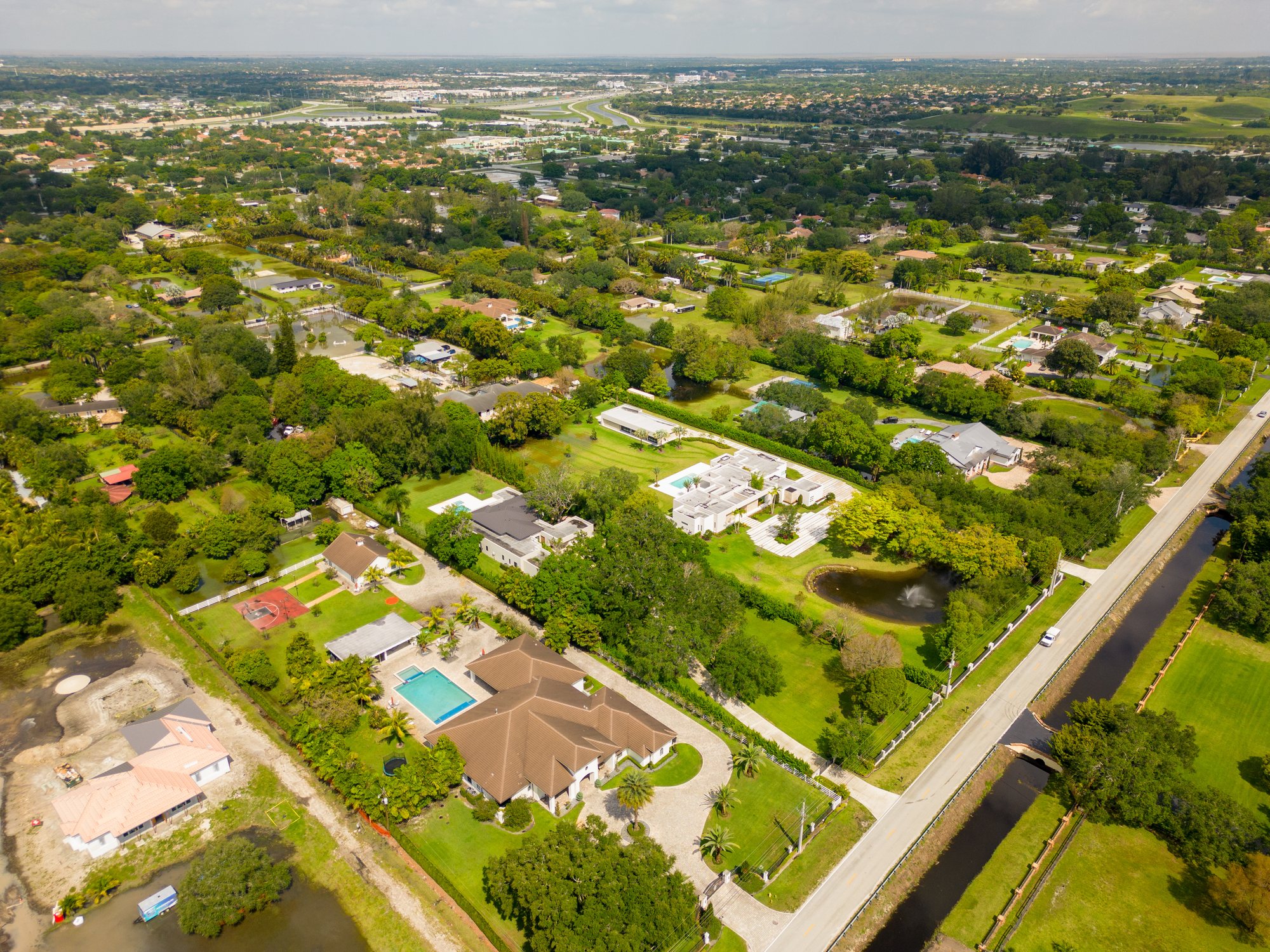
Southwest Ranches is a different kind of Broward town. Lots start at about an acre, horse trails take the place of sidewalks, and most homes run on their own well and septic system. Buying here takes different homework than buying in a typical suburb. This guide covers what to check before you make an offer.
A town that chose to stay rural
Southwest Ranches did not grow into a town. Residents voted to incorporate in March 2000, largely to keep the area from being annexed and divided into smaller suburban lots. That history still shapes how the town works.
- It contracts most services. Police come from the Davie Police Department, fire and EMS from Davie Fire Rescue together with the town's own volunteer fire department, and trash collection from Waste Management.
- Commerce is very light on purpose. There are two commercial corners: Coquina Plaza, anchored by a Publix, at Sheridan Street and Dykes Road, and a Tom Thumb at Griffin Road and Dykes Road. A feed store on South Flamingo Road rounds out the list.
- There are no sidewalks and essentially no streetlights. Nights are truly dark, and that is by policy.
Most errands, restaurants and gyms are a 10 to 15 minute drive away in Pembroke Pines, Cooper City, Weston or Davie.
Zoning comes first
On any listing, check the zoning district before anything else. It sets the minimum lot size, how much of the lot you can build on and how many animals you can keep. The main residential districts are:
- RE (Rural Estate): 1 net acre minimum.
- RR (Rural Ranches): 2 net acres (2.5 gross).
- RR-A (Rural Ranches-A): 2.5 net acres, the most protective district.
- A-1 and A-2 (Agricultural): 2 net or 2.5 gross acres for a residence.
Some older lots of record are grandfathered, which is why you may occasionally see a legal parcel under an acre. Every district caps building height at 35 feet. Guesthouses are allowed as accessory buildings on larger lots, with size limits, and they cannot legally be rented out.
One line in the town code matters more than most: any use not expressly permitted is prohibited. If you are thinking about an event venue, a side business or parking a fleet of vehicles, check the permitted uses before you buy, not after.
Horses, barns and trails
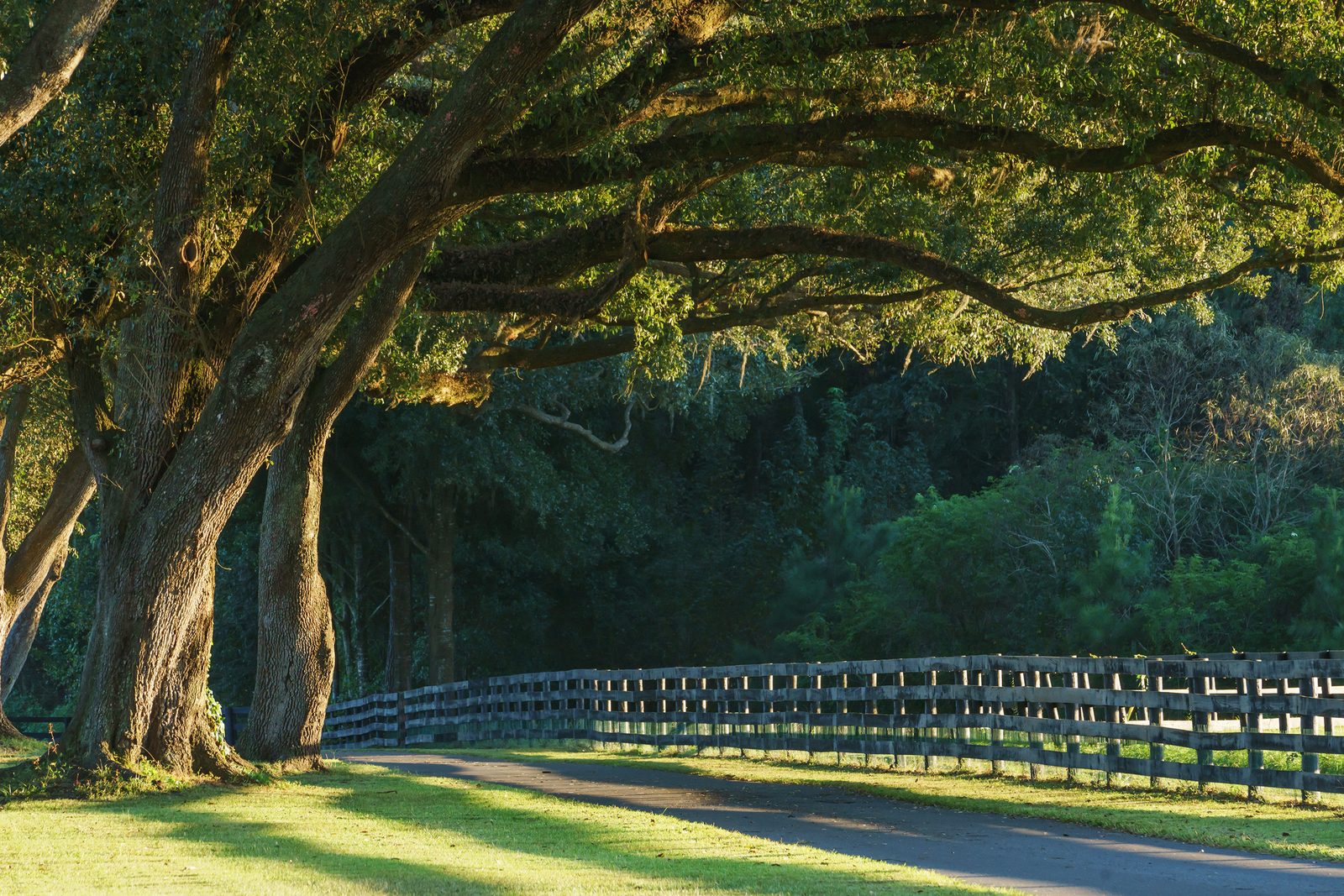
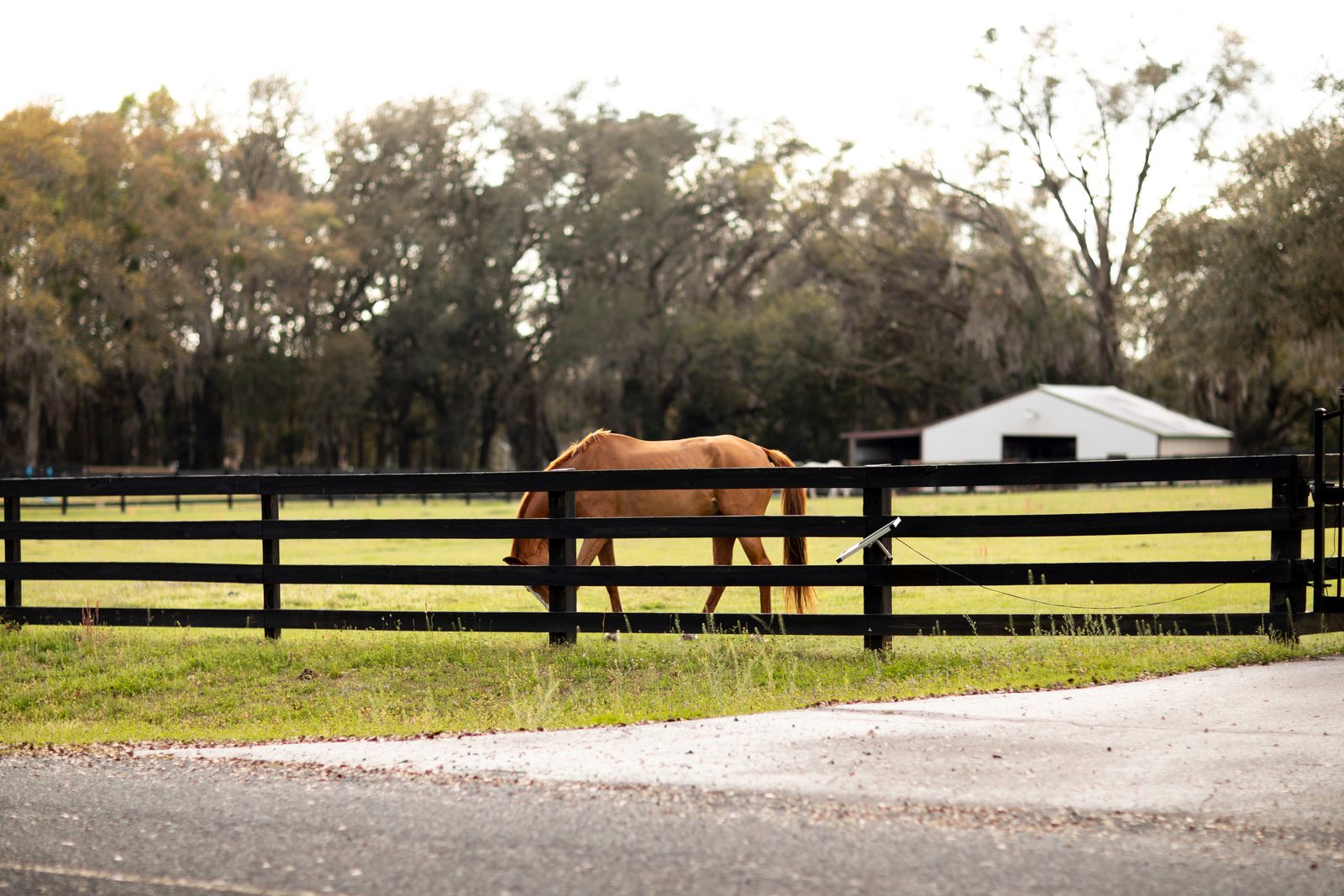
Southwest Ranches writes horse-keeping into its zoning code. In the main residential districts (RE, RR and RR-A), the code allows one livestock animal per 10,000 square feet of lot, roughly four per acre, with more allowed on larger lots and in the agricultural districts.
- Barns need permits. Any structure used to shelter or keep animals must be permitted and sit at least 50 feet from property lines. On a one-acre lot, that is a real design constraint.
- Check the permit history. An unpermitted barn or arena becomes the buyer's problem after closing.
- The trails are part of daily life. The town maintains more than 25 miles of multi-purpose trails, and riders on the road shoulder are normal traffic.
For the full rules by district, see Leslie's Southwest Ranches Guide.
Wells, septic and utilities
Assume a property has a well and septic system until you confirm otherwise. A limited number of properties get piped water, and the provider depends on the location: the City of Sunrise, Pembroke Pines Utilities or Cooper City Utilities. Two homes not far apart can have different providers, or none.
- Get the water source in writing from the seller, then confirm it with the utility named.
- Test the well. Local well water commonly carries iron and sulfur, so most homes run a treatment system. Ask for its service history.
- Inspect the septic system separately from the general home inspection, and compare the tank's capacity with the number of bedrooms.
- Plan for a generator. A well pump needs power, so an outage means no water.
Instead of a town-wide hydrant grid, fire protection relies on dedicated fire wells that pumper trucks draw from. Ask your insurance agent how that affects the property's rating.
Drainage and flood zones
Roads drain into open swales and canals rather than storm drains, and many canal-side roads have no guardrails. Drainage is managed in layers: the town handles local swales, and a drainage district handles the secondary canals, depending on where the parcel sits.
Flood zones vary parcel by parcel. Broward County's current FEMA flood maps took effect in July 2024, so look up the specific address and get a flood insurance quote early. If you can, walk the land during the rainy season. Standing water in a pasture or near a drainfield tells you a lot.
Taxes and assessments
The town's own property tax rate has been among the lowest of any Broward municipality, but the town portion is only one part of the bill. County, school and drainage district taxes apply too, and fire and trash service arrive as separate flat assessments on the same tax bill.
Florida's agricultural classification can lower the assessed value of land in bona fide commercial agricultural use, such as a working nursery or livestock operation. The use must exist on January 1, and the application goes to the Broward County Property Appraiser by March 1. It covers the qualifying land, not the house, and keeping a few horses for weekend riding does not qualify on its own. Confirm current rates and requirements with the Property Appraiser.
Schools
Southwest Ranches does not run its own schools. Students attend Broward County Public Schools, most commonly Hawkes Bluff Elementary (inside the town), Silver Trail Middle and West Broward High. Some parts of town are assigned to other schools, including Walter C. Young Middle, so check the specific address with Broward Schools' Find My Assigned School tool. Archbishop McCarthy High School, a private Catholic high school, is on Flamingo Road inside the town.
Your pre-offer checklist
- Zoning district and permitted uses, compared with your plans
- A survey showing easements (trail, drainage and utility easements are common)
- Water source verified, plus well flow and lab tests
- Septic inspection, tank capacity and drainfield age
- Permit history for every structure, including barns, arenas and guesthouses
- Flood zone and a flood insurance quote
- Private-road status and any shared maintenance terms
- Any deed restrictions or covenants in the title work
Frequently Asked Questions
Does Southwest Ranches have city water?
Mostly not. The town is mainly served by private wells and septic systems. Limited areas receive piped water from Sunrise, Pembroke Pines or Cooper City, so verify each property.
Can you keep horses in Southwest Ranches?
Yes. In the main residential districts the town code allows one livestock animal per 10,000 square feet of lot, roughly four per acre. Barns need a permit and a 50-foot setback from property lines.
What is the minimum lot size?
It depends on zoning: 1 net acre in RE, 2 net acres in RR and 2.5 net acres in RR-A, with some older lots grandfathered. Confirm the district for the specific parcel with the Town of Southwest Ranches.
Is there shopping in Southwest Ranches?
Very little, by design. Coquina Plaza, with its Publix, is the town's shopping center. Most other errands are a 10 to 15 minute drive into neighboring cities.
Talk with Leslie
Southwest Ranches is Leslie Merino's home market, and her office is next door in Pembroke Pines, where she lived for 15 years. She can walk you through zoning, utilities and permits on any property you are considering, in English or Spanish. Start with the Southwest Ranches neighborhood guide, browse homes for sale, or contact Leslie to talk through a specific property.

Written by The Merino Group. Questions? Call Leslie at (305) 710-1535.