Dreaming about waking up to water views in Fort Lauderdale? It is easy to see the appeal, but waterfront living here is not just one lifestyle or one type of home. Between canals, the New River, the Intracoastal, and beach-adjacent areas, your day-to-day experience can look very different depending on where you buy. This guide will help you understand the main waterfront options, the tradeoffs that come with each one, and the questions worth asking before you make a move. Let’s dive in.
Fort Lauderdale Waterfront Is Not One Market
Fort Lauderdale is built around water in a way few cities are. The city reports seven miles of beaches and 165 miles of waterways within city limits, with the Intracoastal Waterway, the New River, and a canal network shaping how people live and move around town. Greater Fort Lauderdale adds more than 300 miles of navigable inland waterways, which helps explain why waterfront living here comes in several distinct forms.
That matters because the right waterfront home is usually less about the label and more about the fit. You may want a dock-focused property, easier beach access, or a more urban setting near dining and entertainment. In Fort Lauderdale, those choices often lead you to different parts of the market.
Main Waterfront Living Options
Canal Homes
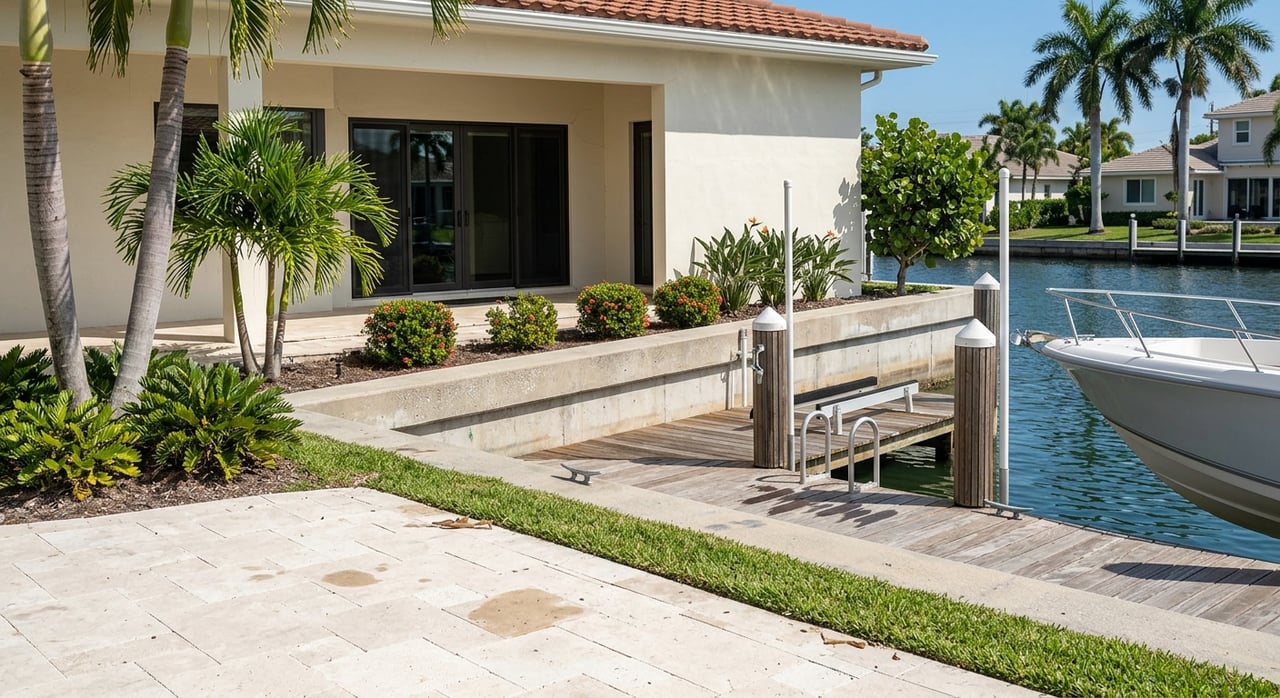
Canal homes often offer the classic Fort Lauderdale waterfront feel. NOAA defines a canal as a human-made waterway used to move boats between bodies of water, and in Fort Lauderdale that often translates into residential streets with docks, bridges, and close water access.
Areas tied to the canal grid include places the city references such as Las Olas Isles, Isle of Venice, Lido Drive, and Isle of Capri. These settings can feel more tucked into neighborhood life, with water access woven right into the block. If your vision of waterfront living includes keeping a boat close to home, canal properties may be high on your list.
Riverfront Homes
Riverfront living in Fort Lauderdale tends to feel more active and connected to downtown. The New River is one of the city’s most visible waterways and anchors the Riverwalk district, which gives this setting a more urban rhythm than many canal locations.
The city’s free Riverwalk Water Trolley runs daily from 10 a.m. to 10 p.m. and serves eight stops along the New River. At the same time, bridge operations can delay service, which is a reminder that waterfront convenience sometimes comes with timing considerations. If you like the idea of being near arts, culture, dining, and a lively streetscape, riverfront living may be a strong fit.
Intracoastal and Beach-Adjacent Homes
Intracoastal living often blends boating access with a more public-facing waterfront environment. The city notes that marinas, waterfront restaurants, and nightspots line the Intracoastal, so daily life here can feel social, scenic, and connected to the broader coastal setting.
Beach-adjacent homes offer a slightly different kind of value. You may be trading some dock-focused features for easier access to the shoreline and public spaces such as Fort Lauderdale Beach, Fort Lauderdale Beach Park, and Las Olas Oceanside Park. If your lifestyle centers more on the beach than on boating, this distinction matters.
How Boating Shapes Daily Life
In Fort Lauderdale, boating is not just a weekend extra. It is part of the city’s infrastructure and everyday identity, which can be a major draw if you want a home that supports time on the water.
The city operates public marine facilities at Cooley’s Landing and New River/Downtown Docking, and those facilities are first-come, first-served. The city also offers four complimentary pump-out locations and notes that its facilities are designated Clean Marinas by the Florida Clean Marina Program. These details may not sound glamorous at first, but they shape convenience in real life.
Water-based transportation is another factor that can influence how you use the city. Water Taxi promotes more than 30 stops across Greater Fort Lauderdale, and the city’s Water Trolley serves riverside destinations along the New River. For some buyers, that means waterfront living supports an actual routine, not just a view from the patio.
Fort Lauderdale also operates on a larger boating stage. The city highlights the Intracoastal’s concentration of marinas and waterfront venues, and Visit Lauderdale describes the Fort Lauderdale International Boat Show as the world’s largest in-water boat show. If you enjoy marine culture, that local identity may be part of the appeal.
Waterfront Areas Can Feel Very Different
Rio Vista
Rio Vista shows how one waterfront area can bridge several lifestyle priorities. The city places it between US-1, the Intracoastal Waterway, the New River, and SE 12th Street, giving it a position close to multiple water features.
The city also notes that Fort Lauderdale Beach is easily accessible from Rio Vista over 17th Street or via Las Olas Boulevard. For buyers, that can mean a practical balance between riverfront convenience and beach access. It is a good example of how location can shape your routine as much as the home itself.
Las Olas Isles
Las Olas Isles reflects the canal side of Fort Lauderdale waterfront living. City notices referencing utility work and waterway advisories on streets such as Isle of Venice, Lido Drive, Isle of Capri, Bontona Avenue, and Royal Plaza Drive show just how dense the canal-and-bridge layout can be.
For buyers, that pattern is more than a map detail. It can affect access, movement, and even the feel of everyday errands. If you are considering a canal property, it helps to think through how that street-and-bridge layout fits your daily habits.
Downtown Riverwalk
Downtown waterfront living offers a different atmosphere from residential canal neighborhoods. The city describes Riverwalk as the cornerstone of its arts, science, cultural, and historic district, while Las Olas Boulevard remains a major center for dining and entertainment.
That means some waterfront buyers are really choosing an everyday environment, not just a water view. If you want to step into a more connected, active setting, downtown riverfront options may align better than a quieter dockside block.
Key Questions Before You Buy
What Type of Water Fits Your Lifestyle?
This is the first and most important question. A canal home, riverfront condo, Intracoastal address, and beach-adjacent property can all be called waterfront, but they do not deliver the same daily experience.
Think about what matters most to you. Do you want a dock nearby, easier boat access, proximity to the beach, or a more walkable setting near restaurants and cultural destinations? The clearer you are about that answer, the easier your search becomes.
How Important Is Dockability?
Fort Lauderdale buyers often compare homes based on whether the property supports the way they actually plan to use the water. If boating is central to your lifestyle, dock access and convenience may deserve as much attention as square footage or finishes.
That is especially true in a city where marine access is part of the appeal. A beautiful waterfront home may still be the wrong fit if its setup does not match your boating habits.
What Will Your Routes Look Like?
Waterfront convenience can come with tradeoffs. The city notes that Water Trolley service on the New River can be delayed by bridge operations, which is a useful reminder that routes on and around the water do not always move like standard road travel.
It helps to ask practical questions early. How often will you use a boat versus a car? How important is quick access in and out of the neighborhood? Small logistical details can make a big difference once you live there full time.
What About Flood Zones and Insurance?
Flood due diligence is a core part of any Fort Lauderdale waterfront purchase. The city says flood insurance is required for buildings in mapped Special Flood Hazard Areas when there is a government-backed mortgage, and FEMA’s Flood Map Service Center is the official source for flood-hazard information.
The city also notes that many residents live in or near these areas, so it is important to verify the actual flood zone for a specific property. One waterfront address may not carry the same flood or insurance implications as another just a short distance away.
A Simple Way To Compare Waterfront Homes
A strong Fort Lauderdale waterfront search often comes down to five comparisons:
- Water type
- Dockability
- Bridge and route convenience
- Beach proximity
- Flood and insurance implications
When you look at homes through that lens, the decision usually becomes clearer. Instead of focusing only on views or photos, you can start matching each property to the way you want to live.
Why Local Guidance Matters
Waterfront buying in Fort Lauderdale is highly specific. Two homes may both sit on the water, but one may suit your routine far better because of its boating setup, access pattern, or location relative to the beach and downtown.
That is where local, hands-on guidance can make the process feel much more manageable. A thoughtful search is not just about finding a waterfront listing. It is about narrowing in on the right waterfront lifestyle for you, then helping you move from interest to closing with confidence.
If you are thinking about buying or selling in Broward County and want a more personalized approach, Leslie Merino offers the kind of hands-on guidance that helps you make a smart move with clarity.
FAQs
What makes Fort Lauderdale waterfront living different from other South Florida markets?
- Fort Lauderdale stands out for its extensive water network, with 165 miles of waterways within city limits, plus the Intracoastal, the New River, canals, and beach-adjacent areas creating several distinct waterfront lifestyles.
What are the main types of waterfront homes in Fort Lauderdale?
- The main settings are canal homes, riverfront homes along the New River, Intracoastal properties, and beach-adjacent homes, each offering a different mix of boating access, activity level, and coastal convenience.
What should buyers compare when searching for Fort Lauderdale waterfront homes?
- A strong comparison usually includes water type, dockability, bridge and route convenience, beach proximity, and flood or insurance implications.
What should buyers know about flood insurance for Fort Lauderdale waterfront property?
- The city says flood insurance is required for buildings in mapped Special Flood Hazard Areas when there is a government-backed mortgage, so buyers should verify the flood zone for each specific property.
What is daily life like near the New River in Fort Lauderdale?
- New River living tends to feel more urban and active, with access to the Riverwalk district and the city’s free Water Trolley, though trolley timing can be affected by bridge operations.
Are Fort Lauderdale canal neighborhoods the same as beach living?
- No. Canal neighborhoods often lean more residential and dock-oriented, while beach-adjacent homes usually offer easier access to the shoreline and public beach parks rather than the same kind of boat-centered setup.