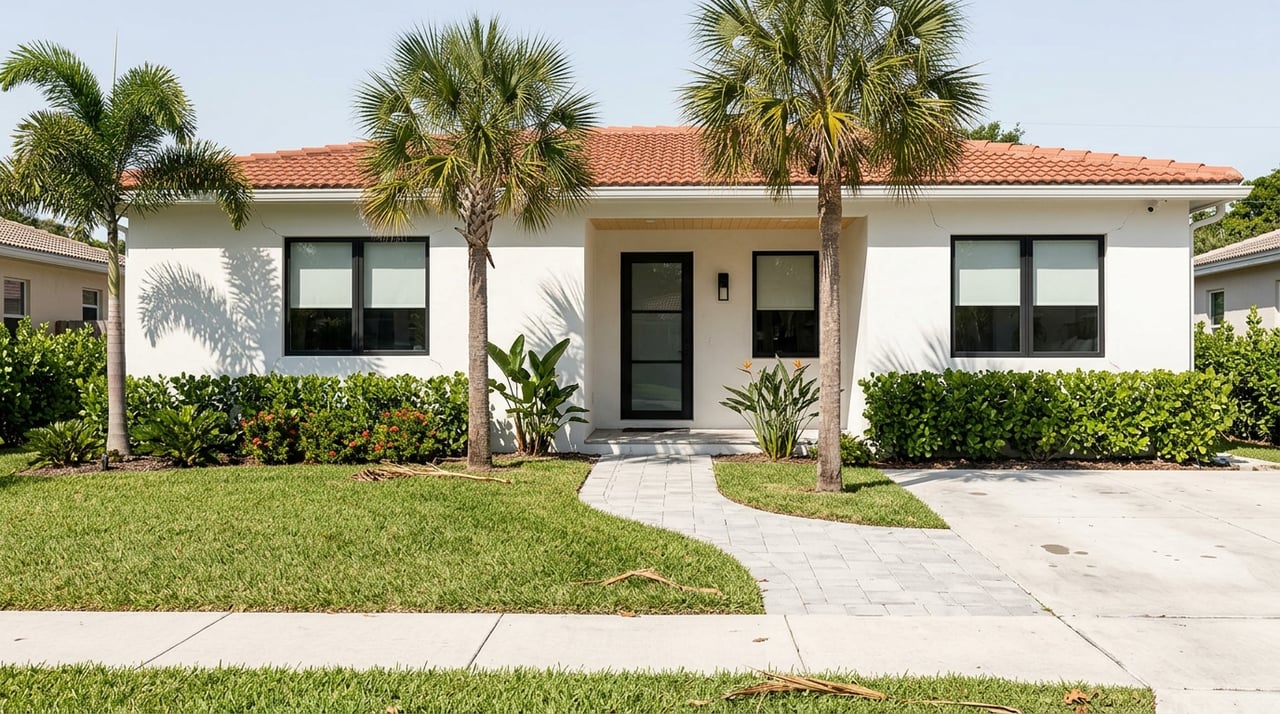
Looking for a Miami-area community that feels connected without feeling overwhelming? South Miami stands out for exactly that reason. You get a compact city layout, a lively town center, access to transit, and a mix of housing options that range from historic homes to newer residential development. If you want a clearer picture of what daily life here can look like, this guide will walk you through the lifestyle, housing mix, and what makes South Miami distinct. Let’s dive in.
Why South Miami Feels Different
South Miami offers a smaller-city setting within the larger Miami-Dade landscape. According to the U.S. Census QuickFacts for South Miami, the city had an estimated 13,207 residents in 2024 and covers about 2.27 square miles. That relatively compact footprint helps explain why many people describe it as having a more intimate feel.
The city’s own community overview highlights its hometown ambiance and strong town-center identity. South Miami also sits about three miles south of the City of Miami and borders Coral Gables, Pinecrest, and the University of Miami’s main campus. In practical terms, that means you can stay close to major destinations while living in a place with a more neighborhood-oriented rhythm.
Everyday Life in South Miami
One of the biggest draws in South Miami is how much of daily life centers around the downtown area and nearby amenities. The city describes the town center east of US 1 as a vibrant area for shopping, dining, and entertainment. The Hometown District placemaking page also points to Sunset Drive as the Main Street and heart of the district.
That matters because it shapes how the city feels on an average day. Instead of needing to drive long distances for every errand, many daily stops can happen within a more connected setting. The district is described as walkable, with outdoor dining and annual community events that add to its local character.
The city’s Shop SoMi page adds the details that help you picture real life here. It mentions cozy cafes, sidewalk cafes, boutiques, movie theaters, and a mix of retail and professional services, all near the South Miami Metrorail station. For many buyers, that blend of convenience and activity is a big part of the appeal.
What a Typical Day Can Look Like
If you value convenience, South Miami supports a routine built around shorter trips and nearby destinations. You might grab coffee, run an errand, meet friends for dinner, and stop by a park without covering much ground. That kind of lifestyle is not fully car-free for everyone, but the city’s layout and amenities support a more connected daily pattern than many spread-out suburbs.
Parks and Recreation in South Miami
South Miami also offers a solid range of recreation options for a city of its size. The city parks page shows 17 parks and facilities across 48 acres. That gives residents access to a meaningful variety of outdoor spaces and activities close to home.
Amenities listed by the city include an outdoor pool, splash pad, dog park, jogging and walking paths, playgrounds, fitness zones, ball fields, and courts. For buyers comparing neighborhoods, this can be an important part of the lifestyle equation. It gives you more ways to spend time outdoors, stay active, and enjoy local amenities without leaving the city.
Recreation Highlights
- Outdoor pool
- Splash pad
- Dog park
- Walking and jogging paths
- Playgrounds
- Fitness zones
- Ball fields
- Courts
These features help support a practical, everyday lifestyle. Whether you want a place to exercise, walk your dog, or enjoy a weekend outing, South Miami has a broad park system for its size.
Getting Around and Staying Connected
South Miami’s location is a major advantage if you want access to Miami-Dade destinations without living in the center of a much larger city. The Miami-Dade Metrorail system serves South Miami as part of a 25-mile dual-track system that connects riders to downtown Miami, Miami International Airport, and other key stops. Service runs daily from 5 a.m. to midnight.
The city also offers MetroConnect SoMi, a free on-demand rideshare service designed to help residents reach work, errands, appointments, and transit hubs. That added option can be especially useful if you want flexibility for short local trips.
For drivers, South Dixie Highway, or US 1, remains a major corridor through the city. The city’s community page notes that this roadway carries tens of thousands of vehicles daily. So whether you prefer rail, local rideshare access, or driving, South Miami offers several ways to stay mobile.
Nearby Employers and Activity Centers
Location matters for more than convenience. It also affects commute options and access to major institutions. South Miami borders the University of Miami’s main campus, and the city says that two major hospitals within South Miami provide services and employment to people throughout the county and beyond.
A 2024 city planning analysis adds useful context about the local economy. It notes that resident workforce sectors include professional, scientific, and technical work, education, health care and social assistance, and accommodation and food services. Local jobs are concentrated in health care and social assistance, administrative and support services, professional and technical work, and retail trade.
For buyers and relocators, this reinforces South Miami’s role as a well-connected place near established job centers and institutions. That can be a meaningful advantage if you want to balance lifestyle and access.
South Miami Housing Options
South Miami appeals to a wide range of buyers because it does not offer just one type of housing. The city’s residential permit parking zone list references townhouses, condominiums, apartments, and larger residential communities. That variety can open the door to different price points, maintenance preferences, and living styles.
If you prefer older homes with architectural character, South Miami has that too. The city’s historic preservation records identify Cambridge Lawns as South Miami’s first historic district. It includes 31 small Tudor and Mediterranean family homes built in the 1920s and 1930s, giving the city a clear connection to its earlier architectural identity.
At the same time, current planning documents show newer development activity near the Metrorail corridor. The city’s planning analysis notes projects such as Edge at SoMi, planned for 311 apartments, and South Miami Market, planned as a mixed-use development with about 300 residential units plus retail. That blend of established housing and newer infill is part of what makes the local housing story more layered.
What the Housing Mix Means for You
South Miami can work for different priorities, including:
- Buyers seeking a home with historic character
- Buyers who want lower-maintenance condo or townhouse living
- People who value proximity to transit and mixed-use development
- Relocators who want a smaller community feel near larger Miami job centers
In short, South Miami is not one-note. It offers a mix of older and newer housing in a location that stays highly connected.
What the Numbers Suggest
Housing costs in South Miami reflect its location and desirability. According to Census QuickFacts, the owner-occupied housing rate is 60.2%, the median value of owner-occupied homes is $829,400, and the median gross rent is $1,764 based on 2020-2024 ACS data.
Those figures point to a relatively high-cost market with a meaningful base of owner-occupants. If you are considering a move here, it helps to go in with a clear understanding of budget, housing type, and your must-haves. In a market like this, matching your goals to the right part of the city and the right style of property becomes especially important.
Who South Miami May Suit Best
South Miami can be a strong fit if you want a community that feels approachable and active at the same time. It may especially appeal to buyers who like the idea of local dining, nearby parks, transit access, and a town center that creates a stronger sense of place. It can also make sense for people who want to stay close to larger employment and education hubs without living in a denser urban core.
That said, the right fit always depends on your priorities. Some buyers will focus on walkability and access to transit. Others may be more interested in housing character, redevelopment potential, or convenience to nearby institutions and major roads.
Final Thoughts on South Miami Living
The strongest case for South Miami is the balance it offers. You get a small, walkable, transit-connected city center, access to parks and everyday amenities, and housing options that span historic homes, condos, townhouses, and newer development. That combination helps South Miami feel like an intimate alternative to central Miami while remaining closely tied to the larger region.
If you are weighing whether South Miami matches your lifestyle, goals, and budget, having the right local guidance can make the search much easier. Leslie Merino offers a personalized, hands-on approach to help you explore neighborhoods, compare housing options, and move forward with confidence.
FAQs
What is daily life like in South Miami?
- South Miami offers a compact, town-centered lifestyle with shopping, dining, entertainment, parks, and transit access all contributing to a more connected daily routine.
What kinds of homes are available in South Miami?
- South Miami includes a mix of housing types such as historic single-family homes, condominiums, townhouses, apartments, and newer mixed-use residential development.
Is South Miami connected to public transportation?
- Yes, South Miami is served by Miami-Dade Metrorail, and the city also offers the free on-demand MetroConnect SoMi service for local trips and transit connections.
Are there parks and recreation options in South Miami?
- Yes, the city has 17 parks and facilities across 48 acres, including playgrounds, walking paths, a dog park, an outdoor pool, a splash pad, and fitness areas.
Is South Miami a large city?
- No, South Miami is relatively compact, with an estimated 2024 population of 13,207 and a land area of about 2.27 square miles.
Why do buyers consider South Miami?
- Many buyers look at South Miami for its small-city feel, walkable town center, access to transit, nearby job and education hubs, and varied housing options.