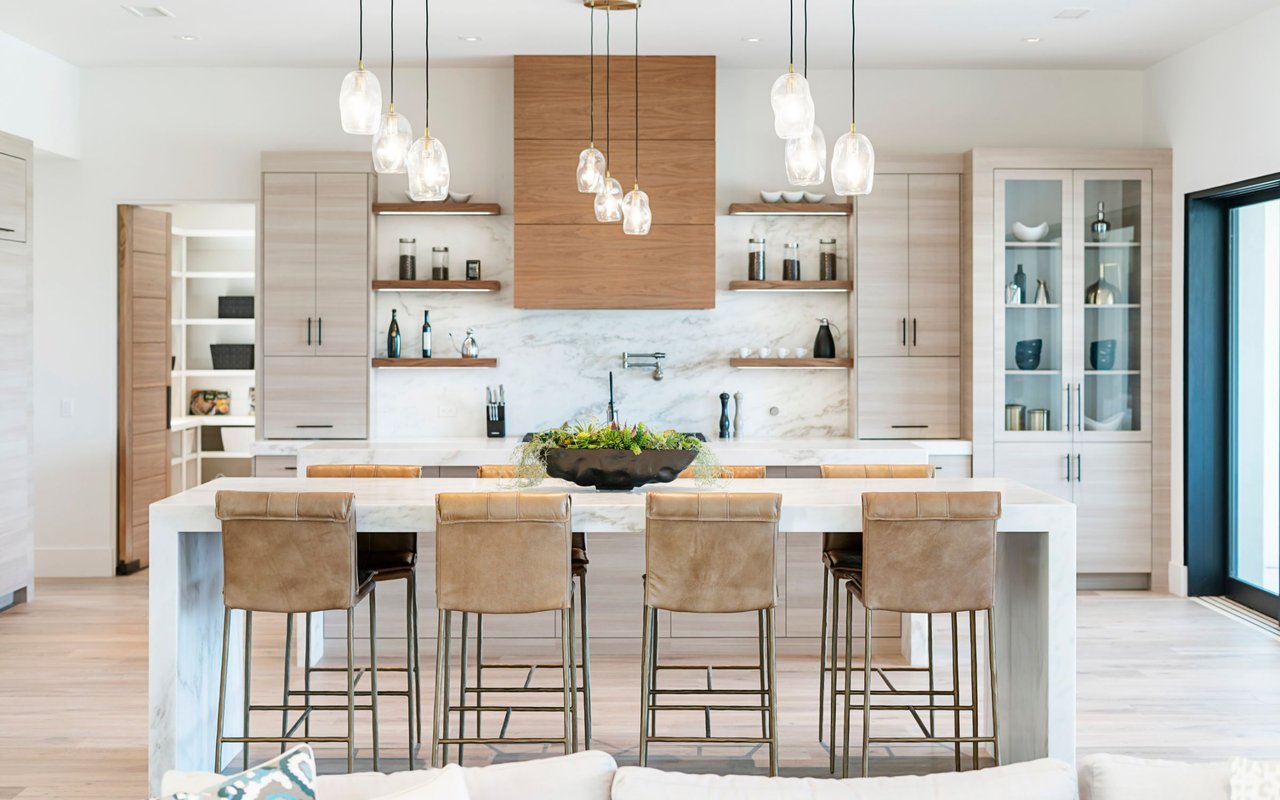
What if you could live on tree-lined streets with Mediterranean architecture, a vibrant downtown, and easy access to Miami’s best parks and culture? If you’re exploring South Florida and want a neighborhood with charm and convenience, Coral Gables should be on your list. In this guide, you’ll get a clear look at daily life, neighborhood pockets, home styles, schools, and how to get around. By the end, you’ll know which parts of Coral Gables fit your lifestyle and how to take the next step. Let’s dive in.
Coral Gables at a glance
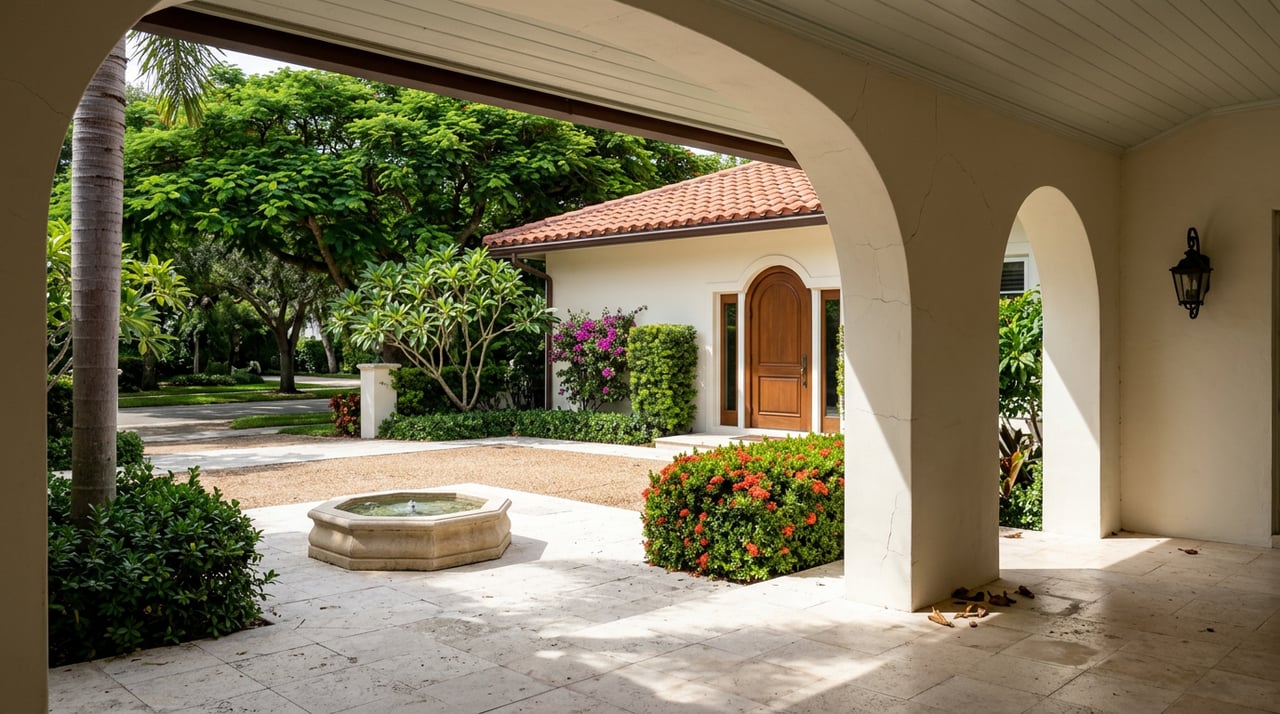
Coral Gables is a planned garden city known for its coordinated Mediterranean style, from clay tile roofs to arched entries and lush courtyards. The city took shape in the 1920s under developer George E. Merrick, who promoted a unified, City Beautiful vision across homes, civic buildings, and streetscapes. You still see that intent today in the canopy of mature trees, historic architecture, and compact commercial corridors. For a deeper look at the city’s origins and design legacy, explore the City’s official history resources on Merrick’s plan and early development efforts (City of Coral Gables history).
Coral Gables reads as a comfortable, suburban-feeling city with urban conveniences. U.S. Census QuickFacts places it in the mid-tens of thousands for population, which helps explain the intimate scale of its neighborhoods and main streets.
Landmarks and green escapes
Some of Miami-Dade’s most recognizable landmarks sit in Coral Gables. The historic Venetian Pool is a spring-fed public pool carved from a coral rock quarry in the 1920s, and it remains a beloved community gathering place (Venetian Pool). The grand Biltmore Hotel anchors the northern side of the city with its striking tower and adjacent golf course, often serving as a social and cultural touchpoint.
If you love gardens and outdoor time, you’ll find plenty to explore. Fairchild Tropical Botanic Garden showcases rare and exotic collections on expansive grounds, a short drive from core Gables neighborhoods (Fairchild Tropical Botanic Garden). Nearby Matheson Hammock Park offers shaded trails and waterfront views, rounding out a leafy, garden-forward lifestyle.
Dining, shopping, and culture
Miracle Mile and Giralda Plaza form Coral Gables’ dining and shopping heart. You can stroll to cafes, bistros, boutiques, and nightly patios along those blocks. Local programming brings frequent events and seasonal festivals to the area, giving you a walkable, small-city feel with a consistent lineup of happenings (Coral Gables dining and events overview).
Cultural life is equally strong. On any given week, you might catch a performance at the Actors’ Playhouse at the Miracle Theatre, a film at Coral Gables Art Cinema, or an exhibit at the Coral Gables Museum. The University of Miami also adds artistic and academic energy with venues like the Lowe Art Museum and a steady stream of lectures and events.
Neighborhood snapshots
Below is a quick guide to how Coral Gables feels at the block level. Each pocket delivers a distinct lifestyle, so focus on your priorities: walkability, historic character, boating access, or country-club amenities.
Downtown, Miracle Mile, Merrick Park
- Character: Coral Gables’ civic and retail core, with Miracle Mile and Giralda Plaza offering walkable dining and shops, and the Shops at Merrick Park nearby for upscale retail.
- Housing: Low-rise condos, walk-up apartments, and nearby early-20th-century single-family homes. Great fit if you want a car-light routine and a short stroll to restaurants and events.
Old Coral Gables, Granada, Coral Way
- Character: Classic Mediterranean Revival streets with mature canopy and a strong preservation ethos. Many original details remain, from courtyards to wrought-iron accents.
- Housing: Period bungalows and villas, often renovated or thoughtfully expanded. You get historic charm with modern livability.
Cocoplum
- Character: A guard-gated, boating-oriented enclave with a private marina, clubhouse, and recreational amenities. Lush landscaping and larger lots create a secluded feel.
- Housing: Estate homes, many with deep-water access. Values vary widely by lot size and water frontage.
Gables Estates and nearby bayfront enclaves
- Character: Ultra-luxury, guard-gated neighborhoods with large lots and direct Biscayne Bay access. Privacy and custom estates define this part of the market.
- Market note: National features have highlighted Gables Estates among the country’s highest-value communities (coverage of top-value neighborhoods).
Deering Bay and country-club communities
- Character: Gated, resort-style living with golf, marina access, and club amenities. It appeals to buyers seeking a self-contained environment minutes from Gables conveniences.
- Housing: Condos and single-family options within a master-planned, amenity-rich setting.
University of Miami zone
- Character: A mix of faculty housing, rentals, and family-friendly blocks near the University of Miami. The university shapes local retail and steady housing demand.
- Housing: Single-family homes and smaller condos that suit professionals, students, and families who value proximity to campus.
Housing budget signals
Pricing in Coral Gables can shift quickly by block, lot type, and water access. Use these broad categories to set expectations as you explore:
- Downtown condos and smaller single-family: Often entry to mid–seven-figure ranges, depending on size, renovation, and proximity to Miracle Mile and Giralda Plaza.
- Established historic single-family: Typically mid- to high–seven-figure ranges, influenced by lot size, historic integrity, and updates.
- Gated bayfront estates: Multi-million to tens-of-millions, especially in Gables Estates and other trophy waterfront pockets. Recent market features have shown significant activity and headline-level pricing at the very top of the market (ultra-luxury market snapshot).
These ranges are directional and change with inventory and interest rates. Your best move is to define your must-haves, then compare options across two or three neighborhoods that meet your lifestyle goals.
Getting around
Coral Gables sits southwest of central Miami with straightforward access along US-1 and major arterials. If you prefer transit, Metrorail connects you to greater Miami with stations near Douglas Road and the University area. Local trolley and shuttle services help with short hops around downtown and nearby corridors. For a historical overview of Miami’s rail system and station context, review this Metrorail primer (Miami Metrorail overview).
Schools and learning
Families often cite Coral Gables’ schools as a key draw. Public options commonly referenced for residents include Sunset Elementary, Ponce de Leon Middle School, and Coral Gables Senior High. Always confirm current boundaries and magnet admissions, since assignments and programs can change year to year. Start with the City’s school information hub and the district’s magnet application pages for details (Coral Gables public schools overview, Ponce de Leon Middle magnet admissions).
The University of Miami adds higher-education and cultural depth to the area, with on-campus museums, lectures, and performances open to the community.
Preservation and planning
Coral Gables’ distinctive look is not an accident. The City maintains active planning, design review, and historic-preservation processes that shape renovations and new construction. If you fall in love with a historic home or plan a major addition, you may need architectural review or special approvals depending on location. Before you start design work, get familiar with the City’s development review process and speak with your real estate advisor about timelines and steps (City development review process).
Is Coral Gables a fit for you?
You’ll likely love Coral Gables if you want:
- A strong sense of place with Mediterranean architecture and mature tree canopy.
- Walkable dining and shopping along Miracle Mile and Giralda Plaza.
- Access to gardens, parks, and cultural venues within a short drive.
- Options that range from historic single-family homes to gated waterfront estates.
If boating access, privacy, and resort amenities top your list, look closely at Cocoplum, Gables Estates, and Deering Bay. If you prioritize cafes, galleries, and an easy stroll to dinner, focus on the downtown-adjacent pockets and the blocks near Merrick Park. For historic charm, set your sights on Old Coral Gables, Granada, and Coral Way.
Next steps and local help
Choosing the right pocket in Coral Gables comes down to lifestyle fit, timing, and clear priorities. A boutique, hands-on approach helps you compare neighborhoods, weigh renovation potential against preservation rules, and understand the tradeoffs between walkability, lot size, and water access. If you want steady, bilingual guidance from search to close, let’s talk about your move.
Ready to explore Coral Gables together? Reach out to Leslie Merino to map your options, tour the right homes, and move forward with confidence.
FAQs
What makes Coral Gables unique within Miami?
- Coral Gables combines a planned Mediterranean aesthetic, leafy streets, and signature institutions like the Venetian Pool and the Biltmore for a cohesive “garden city” feel (history of Coral Gables).
How walkable is Miracle Mile and Giralda Plaza?
- Miracle Mile and Giralda Plaza form a compact dining and retail hub with frequent events, giving you the most pedestrian-friendly experience in the city (dining and events overview).
Which Coral Gables neighborhoods suit boaters?
- Gated enclaves like Cocoplum and Gables Estates offer deep-water access, private docks, and a boating-oriented lifestyle, with values rising with waterfront exposure.
What home styles are common in Coral Gables?
- You’ll see Mediterranean Revival bungalows and villas, mid-century single-family homes, guard-gated waterfront estates, and low-rise condos near Miracle Mile.
Are there transit options to downtown Miami?
- Yes, Metrorail connects Coral Gables to greater Miami through stations near Douglas Road and the University area, and local trolleys help with short in-city trips (Metrorail overview).
Which public schools serve Coral Gables residents?
- Commonly referenced options include Sunset Elementary, Ponce de Leon Middle, and Coral Gables Senior High; always confirm current boundaries and magnet rules (public schools guide, Ponce de Leon magnet admissions).
What are the must-see landmarks for new residents?
- Don’t miss the Venetian Pool, the Biltmore grounds, Fairchild Tropical Botanic Garden, and nearby Matheson Hammock Park for a quick feel of the city’s outdoor lifestyle (Venetian Pool, Fairchild Garden).
How do preservation rules affect renovations?
- Some areas require architectural or historic review, which can add steps and timelines; consult the City’s development review process early in your planning (development review process).