

Buying a South Florida Condo Under Florida's Condo Safety Laws
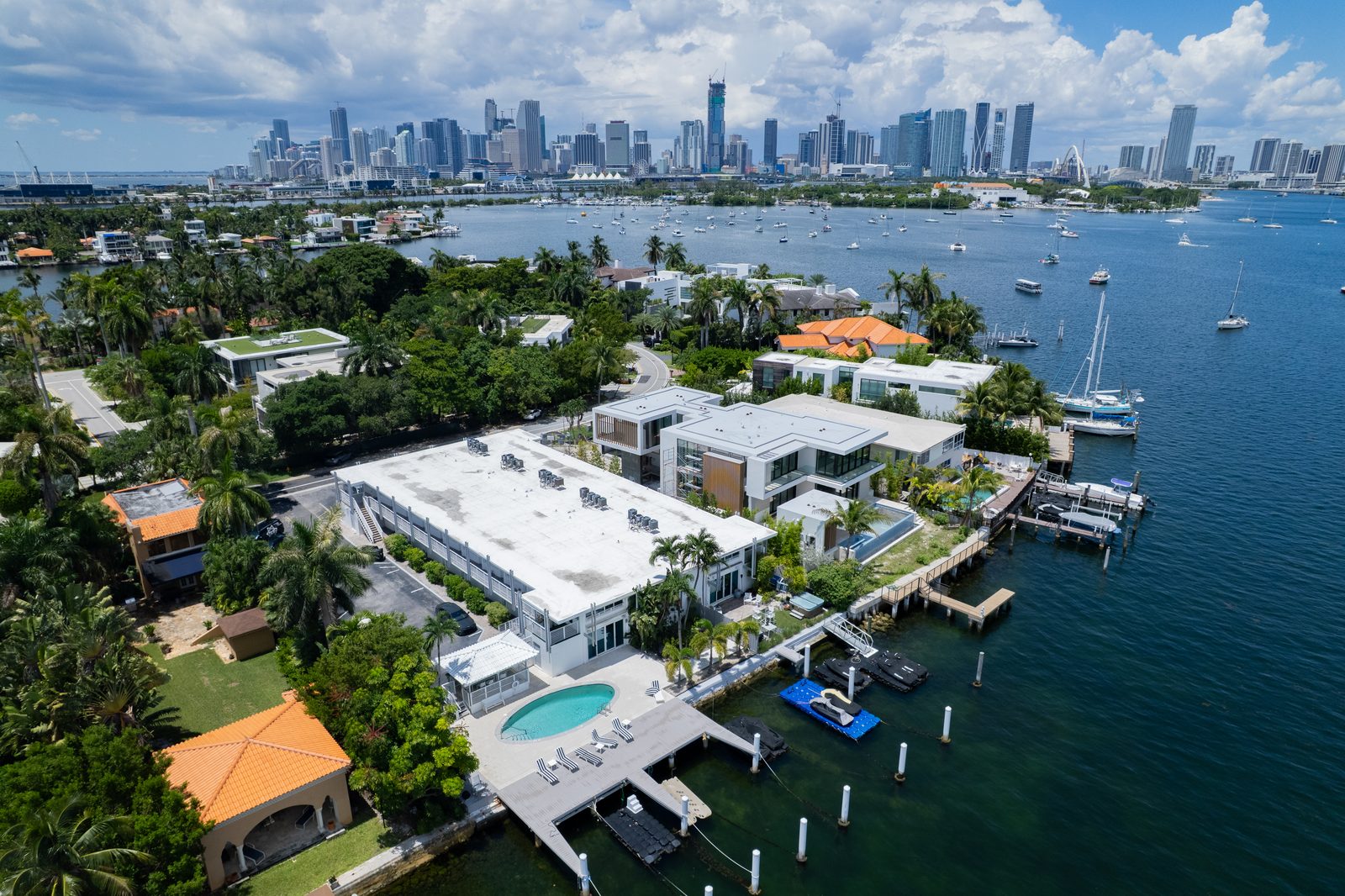
Condos are a big part of the South Florida market. As of October 4, 2026, condos made up 475 of the 827 homes for sale in Pembroke Pines on the MIAMI MLS, and more than half of the listings in Fort Lauderdale. Since the 2021 collapse of Champlain Towers South in Surfside, Florida has passed several laws that change how condo buildings are inspected and funded. Here is what the current rules require and how to use them as a buyer.
Why these laws matter to buyers
The laws do two main things. They require regular structural inspections of larger condo buildings, and they require associations to plan and save for major repairs. Both can affect what you pay each month and whether a large bill is coming. They also give you, as a resale buyer, the right to see the results before you are locked in.
Milestone inspections
Under section 553.899 of the Florida Statutes, a condo or co-op building that is three habitable stories or more must have a milestone inspection:
- By December 31 of the year the building reaches 30 years from the date of its certificate of occupancy.
- Earlier, at 25 years, if the local building official decides local conditions, such as proximity to salt water, call for it.
- Then every 10 years after that.
The inspection is done by a licensed architect or engineer and has two phases. Phase one is a visual examination of the structure. Phase two, which can include testing, is required only if phase one finds substantial structural deterioration.
The inspector prepares a summary of the material findings and recommendations. The association must send that summary to every unit owner within 45 days of receiving the report.
Structural integrity reserve studies
A structural integrity reserve study, or SIRS, looks at the parts of a building that keep it safe and estimates what it will cost to maintain or replace them. Under section 718.112, a residential condo association must have a SIRS completed at least every 10 years for each building that is three habitable stories or higher.
The study must cover, at a minimum:
- Roof
- Structure, including load-bearing walls and primary structural members
- Fireproofing and fire protection systems
- Plumbing
- Electrical systems
- Waterproofing and exterior painting
- Windows and exterior doors
- Any other item with a replacement or deferred maintenance cost above $25,000 (adjusted for inflation) whose failure would affect the items above
Most existing associations had to complete their first study by December 31, 2025. The study is based on a visual inspection and must be done or verified by a licensed engineer or architect, or by a certified reserve specialist.
Reserves and special assessments
This is where the laws reach your wallet. For the items in the SIRS, owners can no longer vote to skip or reduce the required reserves. An association that underfunded its reserves in the past may now need to catch up.
Associations can fund those reserves through regular dues, special assessments, lines of credit or loans. A special assessment, line of credit or loan for this purpose needs approval from a majority of the association's total voting interests. Florida law also lets some associations pause or reduce reserve contributions for up to two annual budgets, through budgets adopted by the end of 2028, to pay for repairs recommended by a recent milestone inspection.
For a buyer, two units at the same price can carry very different monthly costs and risks. The documents tell you which is which.
What you are entitled to see
Under section 718.503, when you buy a resale condo, you are entitled to current copies of these documents at the seller's expense:
- The declaration of condominium, articles of incorporation, bylaws and rules
- The annual financial statement and annual budget
- The inspector's summary of the milestone inspection report, if applicable
- The association's most recent SIRS, or a statement that it has not completed one
- The "Frequently Asked Questions and Answers" document
- A governance form that explains how the association works
Florida resale contracts generally give you 7 days, not counting weekends and legal holidays, after you sign and receive the required documents to cancel in writing. Read everything within that window. The full text of section 718.503 and section 553.899 is on the Florida Legislature's website.
Questions to ask before you buy
- How many habitable stories does the building have? The milestone and SIRS rules apply to buildings of three habitable stories or more.
- When was the last milestone inspection, and did it require phase two? Read the summary, not just the date.
- When was the SIRS completed, and is the association funding what it recommends? Compare the study to the current budget.
- Are any special assessments approved, proposed or under discussion? Ask for recent board meeting minutes. Owners must receive written notice at least 14 days before a meeting where a non-emergency special assessment will be considered.
- Has the association taken out a loan or line of credit? Ask how it will be repaid and whether dues will rise.
- What does the master insurance policy cover? Get your own unit owner's (HO-6) insurance quote during your inspection period.
- Will your lender finance a unit in this building? Ask early. Lenders review the association's finances and condition, and some buildings do not meet every loan program's guidelines.
Low-rise and garden-style condos
If a building is under three habitable stories, the milestone inspection and SIRS requirements may not apply. You still want to read the budget, the reserves, the meeting minutes and the insurance details. Roofs, plumbing and paving wear out in every building. A unit with clean records and funded reserves can be a better value than a cheaper one with gaps.
To browse condos, use the home search and filter by property type. For more on the local market, see the Pembroke Pines neighborhood guide, and read why insurance costs depend on more than a building's age.
Frequently Asked Questions
Which condo buildings need a milestone inspection in Florida?
Condo and co-op buildings that are three habitable stories or more. The first inspection is due by December 31 of the year the building turns 30, or 25 if the local building official requires it, and then every 10 years.
What is a structural integrity reserve study?
A SIRS is a study, based on a visual inspection, of the parts of a building that keep it safe, such as the roof, structure, plumbing, electrical systems and windows. It estimates the remaining life and replacement cost of each item so the association can budget reserves. It is required at least every 10 years for buildings three habitable stories or higher.
Can condo owners vote to waive reserves?
Not for the items covered by the SIRS. Owners in buildings that require a SIRS cannot vote to provide no reserves or less than required for those items. Some associations may temporarily pause or reduce contributions to fund repairs from a recent milestone inspection.
How long do I have to review condo documents in Florida?
Florida resale contracts generally let you cancel in writing within 7 days, excluding weekends and legal holidays, after you sign and receive the required association documents. Confirm the exact terms in your contract.
Thinking about a condo? Contact Leslie to review a building's documents with you before you make an offer.

Written by The Merino Group. Questions? Call Leslie at (305) 710-1535.