Dreaming about a Coral Gables home with arched doorways, old-world details, and real architectural character? You are not alone. Buying a historic home here can be exciting, but it also comes with rules, inspections, and renovation questions that are very different from buying a newer property. If you want the charm without surprises, it helps to know what to look for before you make an offer. Let’s dive in.
Why Coral Gables Historic Homes Stand Out
Coral Gables was largely built in the 1920s around George Merrick’s planned-city vision. That early planning still shapes the city today, especially through its Mediterranean-inspired look and its preservation standards.
For you as a buyer, that means historic homes in Coral Gables often offer details that are hard to find elsewhere. It also means changes to the property, especially on the exterior, can involve more review and approvals than in many newer areas.
Common Historic Styles in Coral Gables
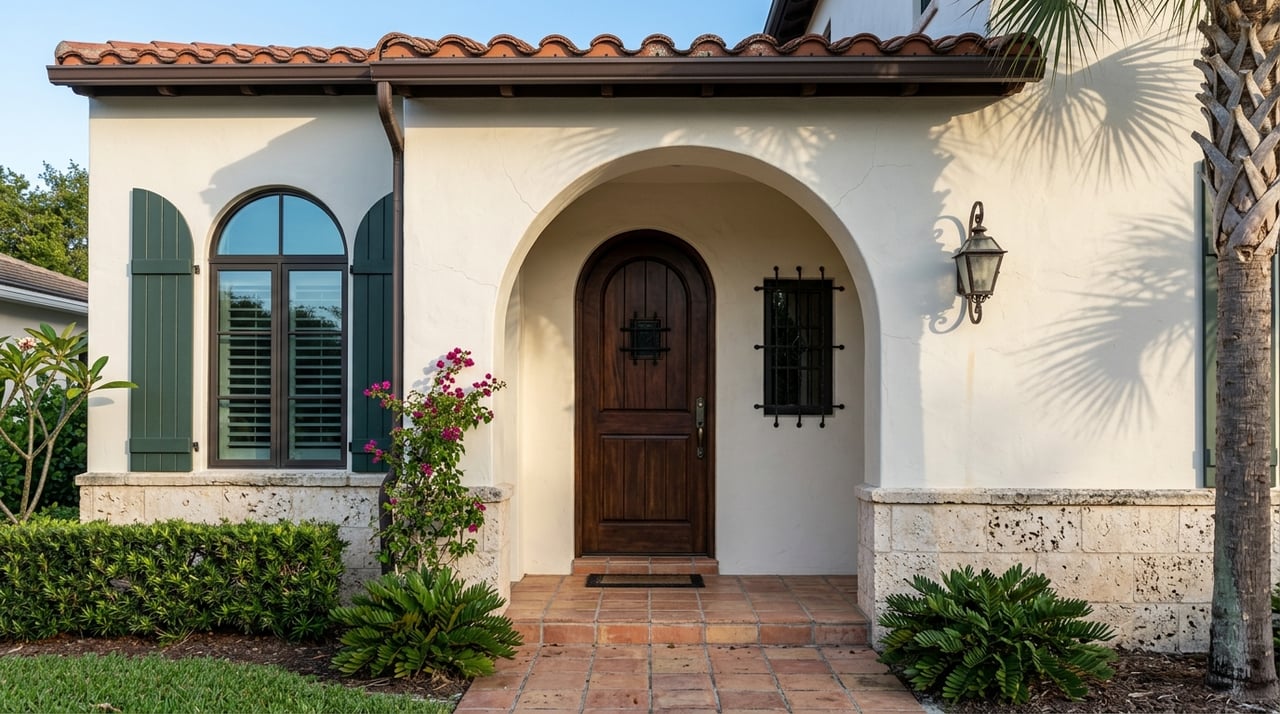
One of the most recognized styles in Coral Gables is Mediterranean Revival. You will often see barrel tile roofs, courtyards, loggias, wrought iron details, and decorative masonry that give these homes their signature look.
The city also includes themed historic villages and architectural styles such as Dutch South African, Chinese, French Normandy, Florida Pioneer or Colonial, French Country, French City, and Italian Village. If you are home shopping here, style is more than curb appeal. It can shape what updates may be considered compatible later.
Materials and Details to Notice
Many early Coral Gables homes and landmarks use coral rock or native oolitic limestone. These materials add texture and character, but they can also require thoughtful maintenance and specialized planning during renovations.
When you tour a home, pay attention to exterior details like windows, roof materials, masonry, and proportions. In Coral Gables, those elements are often part of what gives a home its historic identity.
Why Exterior Changes Matter More Here
In Coral Gables, style is not treated as cosmetic only. The city’s Board of Architects reviews compatibility issues like color, materials, window placement, and proportion.
That means even smaller exterior updates can carry more weight than you might expect. A paint color, roof tile choice, or expansion plan may need review before work begins.
Historic Designation and District Rules
Before you move forward on a home, it is important to understand whether the property is individually designated, located in a local historic district, or neither. Coral Gables uses local historic landmark and local historic district designations, and properties generally must be at least 50 years old to qualify for local listing.
A key point for buyers is that local designation alone does not automatically raise assessed taxes. The city also notifies owners of public hearings tied to designation matters.
District Properties May Still Be Reviewed
Some buyers assume a property is exempt from historic review if it is not individually designated. In Coral Gables, that is not always the case.
Even non-contributing buildings inside a historic district may still be reviewed for exterior alterations, additions, or demolition unless an exception applies. So if a home sits inside a district, you should not assume you will have complete freedom over exterior changes.
What Is a Certificate of Appropriateness?
If a property is locally designated or located in a historic district, most exterior work typically needs a Certificate of Appropriateness, often called a COA, before a building permit is issued. This is one of the most important items to understand before closing.
The city distinguishes between standard COAs and special COAs. Demolition, removal, reconstruction, major alteration, or new construction usually require the more intensive review, while some maintenance work may not require COA review.
Board of Architects Approval
Coral Gables also requires Board of Architects approval for exterior paint projects, including the exact color and manufacturer information. The board also reviews items like roof tiles, pools, pavement, signs, and building expansions.
If you are buying with plans to personalize the outside of the home soon after closing, this matters. What feels like a simple design choice in another city may involve a formal review process here.
Due Diligence for Older Coral Gables Homes
Because much of Coral Gables dates to the 1920s, many homes are pre-1978. Older homes are more likely to contain lead-based paint, and homes built before 1940 have especially high rates of lead paint.
If you want to know whether lead paint or lead hazards are present, especially before renovation, repair, or painting, EPA recommends hiring a certified lead inspector or risk assessor. This can be an important part of your inspection strategy if you are buying an older property.
Asbestos and Renovation Planning
Asbestos is another issue to keep in mind in older homes. It cannot be identified just by looking at it, and materials that are damaged or will be disturbed during remodeling should be sampled by a trained, accredited asbestos professional.
This does not mean every historic home has a major problem. It does mean you should go into the purchase with a plan for evaluating older materials before starting work.
Moisture and Termite Checks
In South Florida, moisture and termite conditions deserve close attention. UF/IFAS notes that drywood termites commonly infest older homes, while dampwood termites are associated with excess moisture and roof leaks.
A trained pest professional can help assess risk, and annual inspections are part of prevention. For buyers, signs of moisture intrusion, roof issues, or wood damage should prompt a deeper look during inspections.
Permit History and Flood Zone Review
Before closing, verify the property’s permit history and make sure permits were properly closed out. Coral Gables says records staff can help confirm permit status, which can help you avoid inheriting unresolved permit issues.
Flood risk should also be part of your due diligence. Miami-Dade notes that the area is susceptible to flooding from major rain events and storm surge, so checking the official flood maps for the property is an important step.
A Note on Building Recertification
If you are buying a detached single-family home, duplex, or minor structure, Coral Gables’ 30-year building recertification program is generally not required. The city explicitly exempts those building types.
That can be helpful context if you are comparing a historic single-family home with a larger older building. Larger older buildings may face different recertification requirements.
Renovation Timelines and Costs
Historic-home renovations in Coral Gables often involve more time and soft costs than buyers expect. That is because projects may include preservation review, architect or engineer input, permit processing, specialty inspections, and more detailed submittals.
This is not a fixed rule for every home, but it is a practical reality worth planning for. If your budget is tight, it is smart to leave room for both extra time and professional guidance.
How Long Reviews Can Take
The city says most permits enter review within 2 to 3 business days after all required documents are uploaded. But that is only the beginning of the process.
The Board of Architects meets every Thursday, and the Historic Preservation Board meets every third Wednesday. If your project needs both boards, the timeline can stretch longer than a typical cosmetic update in a non-historic setting.
Historic Home Tax Incentives
Some qualifying historic rehabilitation projects may be eligible for Miami-Dade’s ad valorem tax exemption. To qualify, properties must be listed in the National Register or be locally designated historic structures, and the pre-construction application must be filed before construction starts.
The exemption applies to the added value from the restoration work and lasts 10 years. It does not remove all property taxes, but it may offer meaningful savings for the right project.
Smart Steps Before You Make an Offer
If you are serious about buying a historic home in Coral Gables, the best time to build your team is early. Waiting until after your inspection contingency expires can make it harder to fully understand the scope of the property.
A thoughtful approach can help you protect both your budget and your vision for the home.
Your Historic Home Buyer Checklist
- Confirm whether the property is individually designated or located in a local historic district
- Ask what exterior changes may require a Certificate of Appropriateness or Board of Architects review
- Review permit history and confirm permits were properly closed out
- Check the property’s flood zone through Miami-Dade’s official maps
- Consider inspections for lead-related risks, asbestos concerns, moisture issues, and termite activity
- If you plan major work, consult a preservation architect, structural engineer, and experienced inspector before your inspection contingency expires
- Budget for added review time, design revisions, and possible specialty inspections
Why Local Guidance Matters
Buying a historic home is not just about finding a beautiful property. It is also about understanding what comes with it, from preservation rules to renovation timing.
With the right guidance, you can move forward with more confidence and fewer surprises. That is especially important in a market like Coral Gables, where charm and complexity often go hand in hand.
If you are considering a historic home in Coral Gables and want a more hands-on, informed buying experience, Leslie Merino can help you navigate the search, due diligence, and closing process with the personal attention you deserve.
FAQs
What makes a Coral Gables home historic?
- In Coral Gables, historic significance often relates to a home’s age, architectural style, and whether it is individually designated or located within a local historic district. Properties generally must be at least 50 years old to qualify for local listing.
Do Coral Gables historic homes always need special approval for renovations?
- Not always, but if a property is locally designated or located in a historic district, most exterior work typically needs a Certificate of Appropriateness before a building permit is issued. Some maintenance work may not require that review.
Can you repaint a historic home in Coral Gables without approval?
- No, exterior paint projects in Coral Gables require Board of Architects approval, including the exact color and manufacturer information.
What inspections matter most when buying an older Coral Gables home?
- Buyers should consider general inspections along with checks for lead-related risks, asbestos concerns, moisture problems, termite activity, permit history, and flood zone status.
Are single-family historic homes in Coral Gables subject to 30-year recertification?
- Generally no. Coral Gables explicitly exempts detached single-family homes, duplexes, and minor structures from its 30-year building recertification program.